
Is Duct Cleaning a Scam in Southern California?
Orange County Homeowners Guide
For most homes in Anaheim, Yorba Linda, Brea, and Orange — it’s unnecessary. Here’s what CDC, EPA, and NIH guidance actually says, the only 3 times cleaning makes sense, and what to do instead.




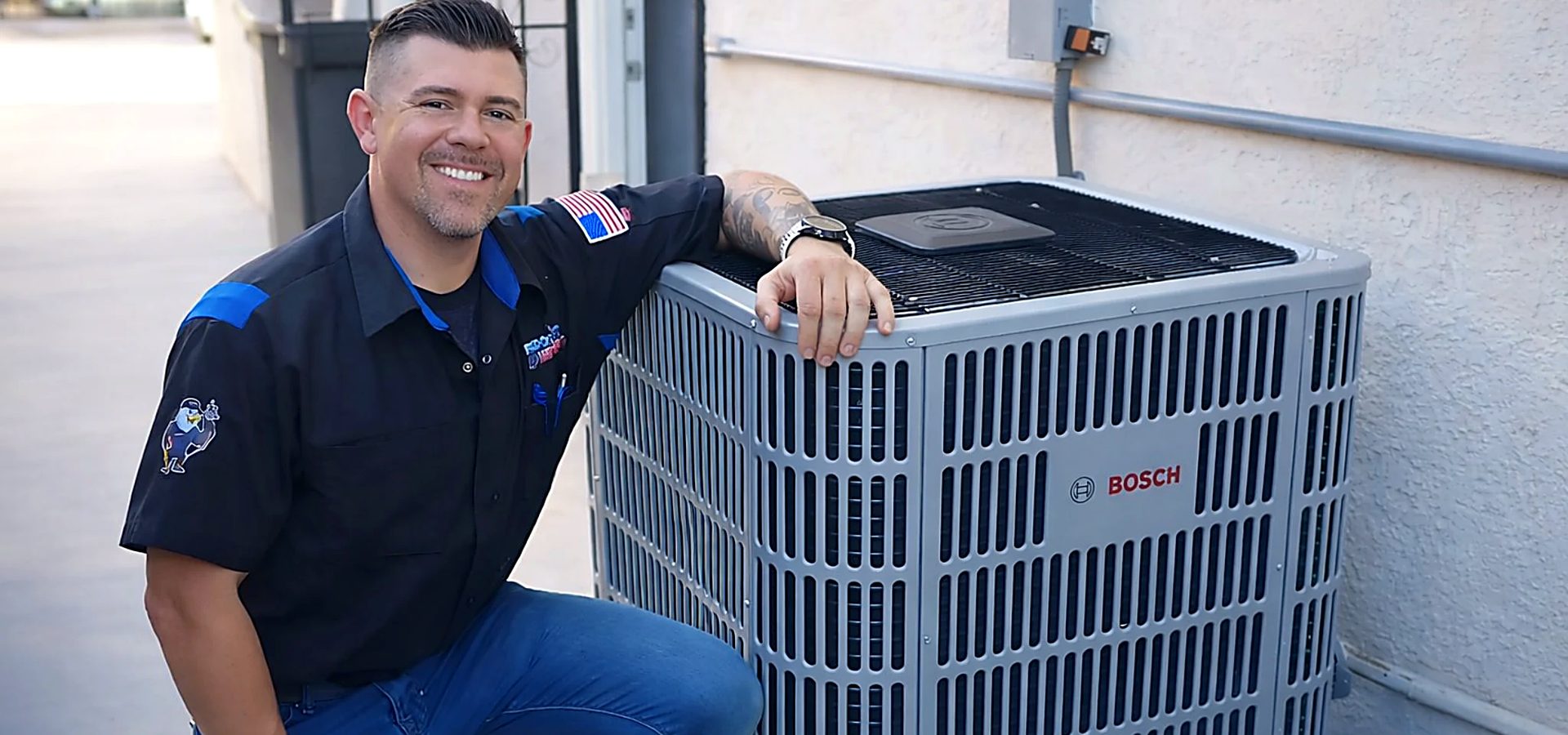
If you’re a homeowner in Orange County — Anaheim, Yorba Linda, Brea, Orange, or nearby areas — you’ve probably seen the same offer: “Whole-house duct cleaning for $49.” It sounds like a no-brainer: cleaner ducts, cleaner air, lower energy bills, fewer allergies. But once you scratch the surface, duct cleaning has a well-earned reputation in Southern California for bait-and-switch pricing, high-pressure upsells, and benefits that rarely match the marketing.
This guide is for homeowners searching things like “should I get duct cleaning,” “is duct cleaning worth it,” and “duct cleaning scam Orange County.” We’ll answer those honestly — using what credible public-health and government guidance actually emphasizes: filtration, ventilation, moisture control, and fixing the real problem instead of paying for a routine service that often doesn’t move the needle.
If you have flex duct, pay special attention. In many Orange County attics, duct cleaning is not a good idea for flex duct systems — and can actually cause damage.
For most Orange County homes, routine duct cleaning is unnecessary and frequently oversold. The EPA does not recommend it as routine maintenance. EPA The CDC’s indoor air guidance prioritizes ventilation and filtration — not scheduled duct cleaning. CDC NIH guidance notes that IAQ improvements from duct cleaning are highly variable and sometimes post-cleaning levels were higher. NIH
Duct cleaning is most justified only when one of these is confirmed:
- Substantial visible mold in ducts or HVAC components — and the moisture cause is addressed EPA · CDC
- Vermin or pest contamination inside the ductwork EPA
- Heavy debris restricting airflow — often after renovation, fire/smoke events EPA
If none of those apply, your money is almost always better spent on filter strategy, coil and blower maintenance, duct sealing, and diagnostics-first HVAC evaluation.
Why Duct Cleaning Gets Called a Scam in Orange County
Duct cleaning isn’t always a scam. But in Southern California, it’s often marketed like one — and here’s the pattern.
Duct cleaning has a well-earned reputation problem in OC because the business model commonly looks like this:
Advertise a too-good-to-be-true price to get in the door — the $49–$99 “whole-house” special.
“Discover” urgent problems once inside — mold, contamination, dangerous buildup.
Upsell expensive add-ons: fogging, sanitizers, sealants, UV upgrades, “deep scrub,” per-vent fees — often with no written estimate upfront. EPA warns: get written scope before work begins
Leave the homeowner with no clear proof anything meaningful improved — no before/after airflow readings, no documentation, no moisture assessment.
The EPA specifically warns consumers to be wary of sweeping health claims and to get written agreements covering total cost and scope before work begins. EPA (402-K-97-002) It also warns that inadequate vacuum collection during cleaning can release more dust and contaminants than before — and that careless providers can damage ducts and HVAC equipment. EPA
The Licensing Problem Most Orange County Homeowners Don’t Know About
Many companies advertising duct cleaning in Southern California are not licensed HVAC contractors — and that matters more than most homeowners realize.
A homeowner hears “duct cleaning” and assumes it’s an HVAC service. But in practice, duct cleaning is sometimes sold by operators who present themselves as “air duct cleaners” — not licensed HVAC professionals. That distinction matters because ducts connect directly to your HVAC system. Duct cleaning often involves opening access points, working around the air handler, and making recommendations that go well beyond simple cleaning.
In California, the C-20 HVAC contractor license explicitly includes ducts, registers, and air filters in its scope when the work is connected to heating and cooling systems. CSLB — C-20 Scope Anyone making recommendations about your HVAC system, opening your air handler, or offering coil or blower services should be able to provide a valid California contractor license number.
Quick homeowner checklist before any work starts:
- Ask for their California contractor license number if they’ll touch HVAC components
- Verify it at CSLB.ca.gov — takes 30 seconds CSLB — Check a License
- Confirm liability insurance and workers’ compensation coverage CSLB consumer brochure
- Get a written estimate covering total cost and scope before any work begins EPA
- If they dodge license or insurance questions — treat that as a red flag, especially if they arrived with a low advertised price
Why this connects directly to “scam” experiences: Operators who aren’t diagnostics-driven tend to sell upsells — fogging, fragrances, “sanitizing” — instead of measurements. Homeowners end up paying for treatments that sound reassuring but don’t solve airflow, comfort, or indoor air quality in any measurable way.
What Credible Agencies Actually Emphasize — CDC, EPA, and NIH in Plain English
Duct cleaning is routinely sold as a routine health upgrade. The most credible public health sources don’t frame it that way.
Filtration, Ventilation + Moisture Control
CDC indoor air guidance for cleaner air prioritizes: using pleated HVAC filters, changing them regularly (typically around every 3 months), and using portable HEPA air cleaners when needed. CDC — Cleaner Air for Respiratory Virus Prevention Routine duct cleaning is not listed as a primary healthy-home step. For mold, the CDC guidance is clear: clean visible mold and fix the moisture source. CDC — Mold
Not Recommended Routinely — Only “As Needed”
The EPA’s guidance titled “Should You Have the Air Ducts in Your Home Cleaned?” states that duct cleaning is not recommended as routine maintenance — only when specific conditions exist. EPA 402-K-97-002 The EPA also cautions homeowners about chemical biocides and sealants that are commonly upsold: their effectiveness hasn’t been demonstrated and potential adverse health effects haven’t been fully evaluated. EPA
Benefits Are Highly Variable
The NIH Division of Occupational Health and Safety fact sheet on HVAC duct cleaning highlights a critical reality: even when cleaning removes contaminants, indoor air quality improvement is inconsistent — and in some cases, post-cleaning pollutant levels were higher than before cleaning. NIH DOHS — Fact Sheet on HVAC Duct Cleaning Prevention and inspection consistently matter more than cleaning on a schedule.
“Surface sampling in ducts indicated that mechanical ADC is effective in removing adhered dust and dirt. The particle measurement data could not offer a clear indication that indoor levels can be reduced… Mechanical ADC did not significantly reduce bioaerosol or microbial density in the houses studied. Measurements of system performance factors suggest that ADC may have a positive effect. Supply air rates increased between 4 and 32% in eight of the houses.”
Source: Evaluating residential air duct cleaning and IAQ: results of a field study conducted in nine single family dwellings — NADCA, 1997The one evidence-based case for cleaning: Airflow. Supply air rates improved 4–32% in most homes tested when systems had measurably restricted airflow. If your system’s airflow is normal, the research doesn’t support cleaning. If it’s measurably restricted — which a diagnostic inspection can confirm — cleaning may help.
Flex Duct Warning: Why “Cleaning” Can Make Things Worse in OC Homes
A huge number of Orange County homes — especially those built or remodeled over the past few decades — use flex duct in the attic. This changes the cleaning calculation significantly.
Flex duct is made of a thin inner liner, a spiral wire support, insulation, and an outer jacket. It’s flexible and easier to route through attics — but it’s also far more fragile than sheet-metal duct. The EPA itself notes that while flex duct can be cleaned, it may be more economical to simply replace accessible flex duct rather than attempt cleaning. EPA ATCO, one of the major flex duct manufacturers, specifically warns that overly aggressive tools — high-pressure blow guns or air whips — can damage the inner liner. ATCO Flex Duct — Cleaning Guidance
Common risks of cleaning flex duct improperly:
- Tearing the inner liner — creating air leaks that reduce delivery to every room
- Loosening or dislodging insulation inside the assembly
- Crushing or kinking sections, permanently restricting airflow
- Dislodging debris that later gets pulled into the coil or filter
The right question to ask about older or compromised flex duct isn’t “should I clean it?” — it’s “should I replace it?” Crushed, kinked, sagging, or moisture-damaged flex duct has performance problems that cleaning can’t fix. Targeted repair or replacement addresses the actual problem. Get an assessment of your duct system’s condition before authorizing any cleaning service.
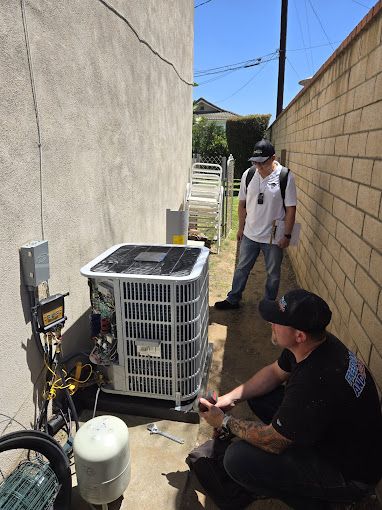
When Duct Cleaning Actually Makes Sense — The 3 Clear Scenarios
Duct cleaning isn’t “never.” It’s conditional. These are the only situations where EPA, CDC, and NADCA guidance supports cleaning.
Substantial Visible Mold — and the Moisture Source Is Fixed
Duct cleaning is warranted when a qualified professional confirms visible mold inside ductwork or on HVAC components that interact with airflow — coil area, drain pan, blower compartment — and you also fix the moisture issue that caused it. EPA · CDC
Key homeowner truth: Cleaning without moisture correction is like mopping the floor while the pipe is still leaking. The CDC’s mold guidance is explicit: fix the moisture problem. CDC — Mold Also note: mold on porous duct liner or fiberglass insulation often can’t be cleaned to a reliable standard — the EPA advises that wet or moldy duct insulation should be replaced, not cleaned. EPA
Homeowner reality check: If someone identifies “mold” without discussing what moisture source caused it — or without recommending you fix that source — that’s a sales pitch, not a diagnosis. The CDC does not recommend routine mold testing. CDC — Mold
Confirmed Vermin or Insect Infestation in the Ductwork
If you have evidence of rodents or insects inside your ductwork — droppings, nesting materials, carcasses, or a persistent foul odor when the system runs — cleaning is reasonable after pest remediation. EPA In Southern California attics, rodent intrusion is not uncommon, especially in older homes in Anaheim, Brea, and Placentia.
Important: Seal the entry points and handle the pest problem first. Cleaning before eliminating the source accomplishes nothing and will need to be repeated.
Heavy Debris Visibly Restricting Airflow
Post-renovation drywall dust, attic insulation replacement debris, smoke or fire residue — these can enter the duct system in significant quantities and genuinely restrict airflow. EPA In these cases, cleaning can pay off. But it’s not guesswork. You want verification — visual inspection and/or airflow measurements — before paying. This is also where the NADCA research is most relevant: airflow improved 4–32% in most homes tested.
The rule: Clean when one of these three conditions is confirmed. Don’t clean on a schedule, don’t clean based on a marketing mailer, and never clean without knowing exactly what problem you’re solving and verifying the root cause is addressed.
The 5 Most Common Duct Cleaning Scams in Orange County — and How to Avoid Them
The Bait-and-Switch “Whole-House” Price
The advertised price covers only a few vents or one return. Once inside, it becomes per-vent fees, “main line” fees, and add-ons — with no written estimate provided beforehand.
Protect yourself: Require a written, itemized estimate for the full system before work begins — covering supply vents, returns, main trunk lines, air handler access, and total number of registers included. The EPA recommends a written agreement outlining total cost and scope before any work starts. EPA
The Phantom Mold Discovery
A flashlight pointed at dust or discoloration — followed by a claim of “dangerous mold.” Suddenly you need $300–$800 in mold treatment and sanitizing. In many cases, what they’re showing you is normal surface dust, not mold. The CDC is clear: mold problems are tied to moisture sources. CDC — Mold
Ask: “How are you confirming mold — is this tested or visual?” “What moisture issue caused it?” “What’s your plan to fix the moisture source?” If they can’t answer those questions, they haven’t found mold — they’ve found a sales opportunity.
Minimal Work, Full Charge
Registers near the air handler are vacuumed. The actual duct runs — hidden in walls and attic — are untouched. You have no way to verify because you can’t see inside. The EPA advises that vacuum equipment should exhaust outside or use HEPA filtration if exhausting inside, and that visual inspection or remote photography can document pre- and post-cleaning conditions. EPA
Require: Negative pressure equipment. Before-and-after scope or video of trunk lines — not just register covers. Confirmation the system was under negative pressure during the entire cleaning process.
Chemical Fogging, Biocides, and Sealant Upsells
“Sanitizing fog,” “antimicrobial treatment,” “encapsulant sealant” — these add-ons are common upsells. The EPA specifically cautions that the effectiveness of biocides and sealants used in duct cleaning has not been demonstrated and their potential adverse health effects haven’t been fully evaluated — particularly in fiberglass-lined systems. EPA (402-K-97-002)
Ask specifically: “What EPA-registered product are you applying? Can you show me the product label and data sheet?” If they can’t answer that, decline the add-on.
Recommending Service Before Seeing Your System
Any recommendation made over the phone — before anyone has seen your filter setup, coil condition, duct type, and airflow readings — is a sales script, not a professional assessment. A legitimate diagnostics-driven approach starts with measuring what’s actually happening in your system.
Duct Cleaning vs. What Actually Improves Comfort and Air Quality in Orange County
If your goal is cleaner air, better comfort, and a more efficient system — these investments consistently outperform routine duct cleaning.
Get Your Filter Strategy Right — Without Choking Airflow
Most homes benefit from a pleated filter at the correct MERV rating, sized for no bypass gaps, changed on a consistent schedule. This is the single highest-impact step most homeowners can take. The CDC specifically recommends pleated filters and regular changes as a primary indoor air improvement. CDC — Cleaner Air
Pro tip: Higher MERV isn’t automatically better. ASHRAE notes that increasing filter efficiency generally increases pressure drop — and can reduce airflow and increase fan energy if the system wasn’t designed for it. ASHRAE — Filtration and Disinfection FAQ The best filter is the one your system can handle while maintaining proper airflow.
Maintain the Evaporator Coil, Blower, and Drain Line
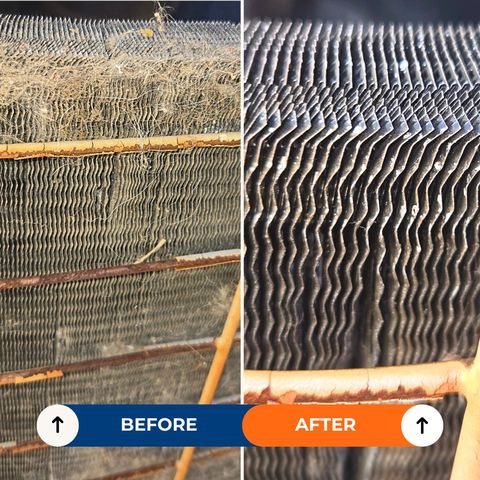
The components that actually exchange heat and move air — the evaporator coil, blower wheel, and drain pan — are where meaningful performance gains come from. A dirty evaporator coil reduces airflow, worsens humidity control, and increases operating costs in ways that directly affect comfort in Orange County homes during the cooling season.
Coil cleaning done when the coil is actually dirty (typically every 1–3 years based on filter habits) delivers more measurable benefit than duct surface cleaning.
Fix Duct Leakage and Attic Duct Problems
In Orange County attics, the most common real duct problems are: disconnected joints, crushed flex runs, poor sealing at plenums, uninsulated sections causing condensation, and return leaks pulling dusty unconditioned attic air directly into your living space. If you’re breathing dusty air or have uneven room temperatures — a leaky return is often the actual cause. Cleaning duct surfaces doesn’t fix leaks. Sealing does.
Diagnostics First — Measure Airflow Instead of Guessing
If you have hot or cold rooms, weak airflow, noisy returns, high utility bills, or a system that short-cycles — you want measurements, not guesses. A proper comfort diagnostic measures static pressure, temperature split, airflow balance, and duct leakage indicators. This identifies the real bottleneck. It’s almost never “dirty duct walls.”
Consider a Portable HEPA Cleaner for Targeted IAQ Needs
If your concern is seasonal allergens, wildfire smoke, or a household member with respiratory sensitivities — a portable HEPA air cleaner in bedrooms or main living areas is often a more direct, measurable improvement than duct cleaning. The CDC specifically recommends portable HEPA cleaners as a practical step for improving indoor air quality. CDC — Cleaner Air Unlike duct cleaning, the improvement is verifiable: the filter turns gray. The air quality change is real and measurable.
By the Numbers: Orange County HVAC Service Cost vs. Long-Term Value
| Service | Typical Cost (OC) | What It Does | Long-Term Value |
|---|---|---|---|
| Duct Cleaning | $250–$500 | Removes surface dust. May improve airflow in restricted systems. NADCA study | Limited unless specific conditions exist |
| Annual HVAC Tune-Up ✓ | $100–$200 | Refrigerant, coils, capacitors, blower, thermostat, airflow checks — catches problems before failure. | High — extends system life |
| Filter Changes (quarterly) ✓ | $15–$60 / filter | Maintains airflow, protects coil, reduces contamination over time. CDC | High — #1 homeowner action |
| Coil Cleaning (as needed) ✓ | $75–$200 | Restores coil efficiency, airflow, and humidity control. Directly measurable gains. | High — when coil is actually dirty |
| Duct Sealing | $300–$800+ | Fixes return leaks, disconnected joints, attic air intrusion. | Very high — if leakage confirmed |
| Comfort Audit ✓ | Varies | Full diagnostics — identifies exactly what needs attention. No guesswork. | Very high — targeted solutions |
If You Truly Need Duct Cleaning — How to Find a Legitimate Provider
When one of the three justified scenarios applies, vet the company like you’d vet any contractor working inside your walls.
🚩 Red Flags — Walk Away
- “Whole-house” price advertised under $100
- Mold claims without moisture diagnosis or testing
- Won’t show before/after proof of work
- Pushes fogging, fragrances, or sealants as “sanitizing” EPA caution
- Pressures you to decide immediately once inside
- No written, itemized estimate before starting EPA recommends written scope
- Sweeping health or energy guarantees with no specifics EPA warns: be wary of claims
- Dodges license or insurance questions
✅ Green Flags — Good Signs
- Uses negative pressure (truck-mounted or professional portable equipment) EPA — follow NADCA standards
- Before-and-after scope or video of trunk lines — not just registers
- Written, itemized estimate covering your full system before starting
- Explains your duct type and addresses flex duct limitations specifically
- Understands moisture control — won’t oversell chemicals or biocides
- California contractor license — verifiable at CSLB.ca.gov CSLB
- Liability insurance and workers’ comp CSLB consumer brochure
- NADCA-certified technicians (ask for member number, verify at nadca.com)
Two questions that separate legitimate providers from scammers: “Do you use negative pressure during cleaning?” and “Will you show me before-and-after scope video of the trunk lines — not just the registers?” Legitimate operators answer yes to both without hesitation.
A Simple Maintenance Plan That Beats Routine Duct Cleaning — OC Edition
This schedule prevents most of the problems duct cleaning claims to solve — at a fraction of the cost.
Replace or Clean Your Filter
Use a pleated filter at the MERV your system can handle. The CDC recommends regular filter changes as a primary indoor air quality step. CDC A clogged filter is the most common cause of dirty coils and restricted airflow in OC homes.
HVAC Tune-Up Before Cooling Season
Refrigerant check, coil inspection, electrical components, thermostat calibration, blower check, condensate drain flush. Schedule before June — OC’s peak season tightens fast.
Heating Safety Check
Igniter, heat exchanger integrity, and safety controls. Confirm CO safety if you have gas heat. Coldsnaps in Yorba Linda and Anaheim Hills can come quickly — don’t find out the hard way.
Coil Cleaning, Duct Sealing, Airflow Check
Clean coils based on actual buildup. Inspect flex duct for sagging, crushing, or disconnection. EPA · ATCO Check for return leaks pulling dusty attic air into living space.
Inspect Ducts Before Deciding on Cleaning
Construction debris is one of the few legitimate reasons to consider duct cleaning. EPA Inspect first — clean only if debris is confirmed inside the duct runs and measurably affecting airflow.
Want help staying on schedule? Our Freedom Comfort Club covers annual maintenance visits, priority scheduling, and member discounts — for less than you’d spend on one unnecessary duct cleaning. View all HVAC services →
Not Sure What Your System Actually Needs?
A Comfort Audit identifies what’s really driving your comfort and efficiency issues — before you spend money on any service. Written options. No pressure.
Frequently Asked Questions: Duct Cleaning in Orange County
Schema-ready Q&A — optimized for voice search and Google’s AEO features.
Is duct cleaning a scam in Orange County?
It’s often marketed in scam-like ways — especially with bait-and-switch pricing and exaggerated health promises. According to the EPA, duct cleaning has not been shown to prevent health problems, and the EPA does not recommend it as a routine service. It can be legitimate when specific conditions exist: substantial visible mold, pest contamination, or heavy debris restricting airflow.
Should I get duct cleaning in Southern California?
Usually, start with filtration, coil and drain maintenance, and airflow diagnostics. Consider duct cleaning only if you have confirmed mold tied to a moisture source (EPA criteria), pest contamination inside the ductwork, or heavy debris restricting airflow after a renovation or contamination event. The CDC’s indoor air guidance emphasizes filters, ventilation, and portable HEPA cleaners — not scheduled duct cleaning.
Does duct cleaning improve indoor air quality?
Sometimes — but results are inconsistent. The NIH Division of Occupational Health and Safety notes that effectiveness on reducing indoor pollutants is highly variable, and in some cases post-cleaning levels were higher than before. The CDC’s cleaner-air guidance prioritizes pleated filters, regular filter changes, and portable HEPA cleaners as higher-impact, more consistent steps for indoor air quality.
Is duct cleaning safe for flex duct?
Often no. The EPA notes it may be more economical to replace accessible flex duct than to clean it. ATCO, a major flex duct manufacturer, specifically warns that overly aggressive tools — high-pressure blow guns or air whips — can damage the inner liner. If the duct is old, kinked, sagging, or moisture-damaged, repair or replacement is usually the better option. Always get a condition assessment before authorizing any cleaning of flex duct systems.
What are the biggest duct cleaning red flags?
Per EPA guidance: sweeping health claims (“cure allergies,” “eliminate asthma triggers”), no written estimate before work begins, mold claims without moisture diagnosis, chemical fogging or sealant upsells without documented evidence, and pressure to decide immediately once inside. Add to that: a “whole-house” price under $100, and recommending service over the phone without ever seeing your system.
What is better than duct cleaning for HVAC performance in Southern California?
For most OC homes: a consistent filter strategy at the correct MERV for your system (ASHRAE notes that higher MERV increases pressure drop and can reduce airflow), evaporator coil and blower cleaning, drain line maintenance, duct sealing to fix return leaks, and a Comfort Audit diagnostics visit to identify what’s actually driving comfort or efficiency issues. The CDC also supports portable HEPA cleaners for targeted indoor air quality improvement.
How do I verify if a duct cleaning contractor is licensed in California?
Ask for a California contractor license number when HVAC components are involved, and verify it at CSLB.ca.gov before anyone starts work. The CSLB C-20 HVAC contractor license explicitly includes ducts, registers, and air filters in its scope when connected to HVAC systems. Confirm liability insurance and workers’ compensation, and get a written scope and cost estimate before any work begins.
The Honest Take for Orange County Homeowners
If you’re researching duct cleaning in Anaheim, Yorba Linda, Brea, Orange, or anywhere across OC — here’s the honest bottom line: routine duct cleaning is often unnecessary, and the evidence supporting broad health and efficiency claims is weak at best.
If you want cleaner air and better comfort, focus on what consistently moves the needle: filtration, coil and blower maintenance, drain line upkeep, moisture control, duct sealing, and diagnostics-first airflow testing. If you have flex duct, be especially cautious — a condition assessment is a far smarter first step than cleaning.
If you’re in one of the rare justified cases — confirmed mold tied to moisture, vermin infestation, or heavy debris restricting airflow — vet the provider carefully, verify their license, insist on before-and-after documentation, and make sure they’re addressing the root cause, not just the symptom.
Find out what’s actually happening with your system. A Comfort Audit from Freedom AC gives you a measured, honest picture of your airflow, duct performance, and system health — before you pay for any service. CSLB #1090273 · Serving Anaheim, Yorba Linda, Brea, Orange, and surrounding OC cities.
Sources Referenced in This Article
- U.S. EPA — “Should You Have the Air Ducts in Your Home Cleaned?” (EPA 402-K-97-002) — Hyperlink on publish
- CDC — “Taking Steps for Cleaner Air for Respiratory Virus Prevention” (filtration + HEPA guidance) — Hyperlink on publish
- CDC — “Mold” (mold overview: fix moisture + visible mold cleanup; no routine mold testing) — Hyperlink on publish
- NIH — Division of Occupational Health and Safety (DOHS) — “Fact Sheet on HVAC Duct Cleaning” (variable IAQ outcomes) — Hyperlink on publish
- ASHRAE — “Filtration and Disinfection FAQ” (higher MERV = higher pressure drop / potential reduced airflow) — Hyperlink on publish
- ATCO Rubber Products — Cleaning guidance and warning about aggressive tools damaging flex inner liner — Hyperlink on publish
- CSLB — “Check a Contractor License” (verification tool) — cslb.ca.gov — Hyperlink on publish
- CSLB — C-20 HVAC Contractor License Classification (ducts/registers/filters in scope) — Hyperlink on publish
- NADCA — ACR Standard 2021 (industry standard for proper source-removal cleaning when warranted) — Hyperlink on publish
📌 All source URLs provided separately. Add hyperlinks to the bolded source names above when publishing in WordPress. Do not include URLs in the visible post body.
Skip the Upsell. Get a Real Diagnosis.
If your HVAC system isn’t performing the way it should — or you just want to know what you’re actually dealing with before spending money — we’ll tell you exactly what we find. Written options. No pressure.

CSLB #1090273 · 1728 N Landfair St, Anaheim, CA 92806 · freedomach.com